
FMCG Private Labels: Unlocking Growth Potential in South America

1. Market Context: The Rise of Private Labels in Latin America
The fast-moving consumer goods (FMCG) sector in South America is in the midst of transformation. Private label products—once positioned merely as low-cost alternatives—are now driving retail growth, consumer trust, and local innovation.
Amid economic volatility and shifting consumption habits, South American consumers have become more value-driven, focusing on quality, price, and sustainability rather than traditional brand loyalty.
Retailers are responding by investing heavily in private label development, elevating standards in packaging, formulation, and design. Countries like Brazil, Chile, and Colombia are witnessing double-digit growth in private label market share—especially in categories like food, household care, and personal hygiene.
2. Retailers Driving a New Competitive Advantage
Leading regional players—Carrefour, Cencosud, GPA, Falabella, and others—are redefining private label strategies.By offering multi-tiered product lines (value, mid-range, and premium) and leveraging e-commerce data insights, these retailers are improving both margin control and customer loyalty.
Private label portfolios are becoming a strategic tool for differentiation, enabling retailers to compete on innovation, sustainability, and exclusivity, not just price.
3. Opportunities for Local SMEs and Manufacturers
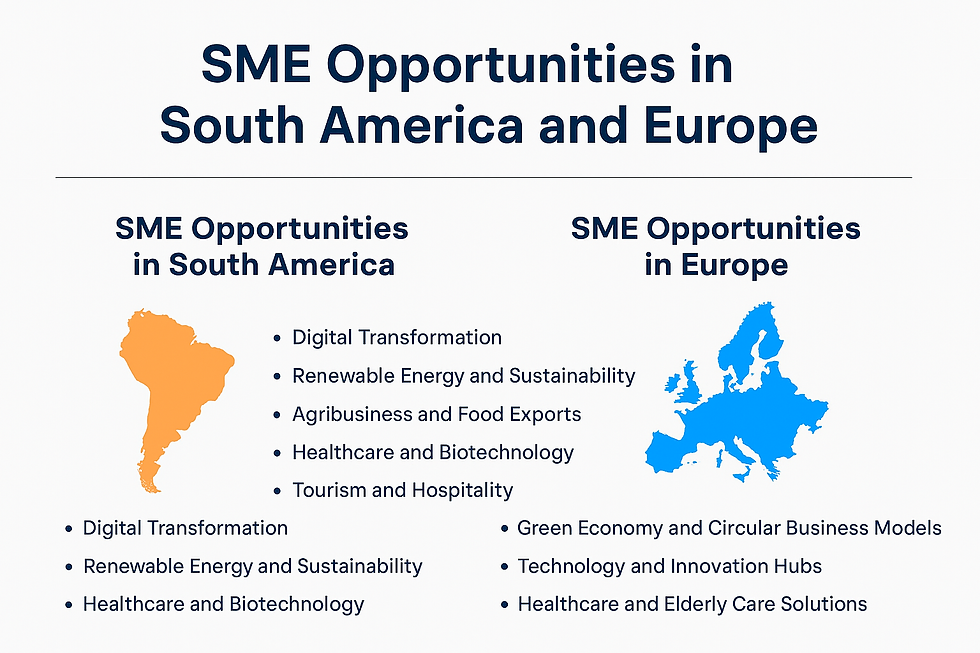
The private label surge opens exciting opportunities for local producers and SMEs across South America.Retailers are increasingly partnering with agile, quality-focused manufacturers who can deliver customized solutions that match local consumer needs.
For SMEs, private label partnerships represent:
Access to retail networks and export markets
Increased production capacity and brand exposure
Stable, long-term contracts supporting business growth
This model encourages regional industrial development, innovation, and job creation, strengthening the FMCG ecosystem.
4. Innovation, Health, and Sustainability
Private labels are expanding rapidly into high-growth, trend-driven categories:
Health & wellness: organic foods, plant-based alternatives, dietary supplements
Eco-friendly cleaning & personal care: biodegradable and refillable packaging
Affordable beauty & skincare: inclusive and sustainable formulations
Convenience & ready-to-eat foods: catering to urban, time-sensitive consumers
As environmental awareness grows, sustainability has become a key purchasing factor, prompting retailers and manufacturers to innovate around local sourcing, waste reduction, and transparency.
5. Outlook: From Low-Cost Alternative to Innovation Leader
The future of private labels in South America lies in strategic collaboration and market sophistication.The region’s evolving supply chains, digital adoption, and rising consumer confidence are positioning private labels as true innovation leaders, not imitators.
For companies and investors, this marks a prime opportunity to participate in one of the fastest-evolving FMCG markets globally—bridging South America’s manufacturing potential with European consumer demand.
Conclusion
The private label revolution in South America reflects a broader transformation in retail and consumer expectations.Brands that integrate value, quality, and sustainability will thrive—while those that adapt slowly risk losing relevance in this fast-changing landscape.
Atlantic Bridge Advisors helps investors, manufacturers, and retailers navigate cross-border FMCG opportunities between South America and Europe—from market entry and sourcing to strategic partnerships.Contact us to explore how your business can leverage this growth wave.



Comments