
Exploring the Implications of the Mercosur-Europe Agreement for Trade and Economy

The Mercosur-Europe Agreement has sparked considerable interest in recent years. This free trade agreement seeks to connect the Mercosur bloc—which includes Argentina, Brazil, Paraguay, and Uruguay—with the European Union. With the potential to reshape trade dynamics between these regions, it has implications that businesses and consumers in both areas should understand.
In this post, we will explore what this agreement means for trade and the economy, highlighting its potential benefits, challenges, and surrounding context.
Background of the Mercosur-Europe Agreement
The Mercosur-Europe Agreement aims to enhance economic cooperation between South America and Europe. Initial negotiations began as far back as 1999, facing many obstacles throughout. A major milestone was reached in June 2019 when the parties announced a political agreement.
This pact looks to eliminate tariffs on a wide array of goods, streamline services trade, and encourage investment. The resulting market could encompass over 780 million consumers, positioning it as one of the globe's largest trade agreements.
Economic Benefits of the Agreement
Increased Trade Opportunities
A key outcome of the Mercosur-Europe Agreement is the significant increase in trade possibilities. By lowering tariffs and other trade barriers, the deal is likely to enhance the flow of goods and services across these regions.
For instance, Mercosur countries can expect improved access to European markets for key agricultural exports such as beef, soybeans, and sugar. In return, European nations will gain wider access to South American markets for various products, including industrial goods valued at around €4.3 billion.
Economic Growth and Job Creation
This agreement is expected to stimulate economic growth, leading to increased production, investment, and consumption. For example, projections indicate that the agricultural sector in Mercosur countries could see demand surge by up to 30%, creating jobs in farming, food processing, and logistics.
Similarly, European companies might expand operations in South America, potentially creating around 100,000 new jobs across sectors such as manufacturing and services.
Strengthening Economic Ties
The Mercosur-Europe Agreement is poised to fortify economic ties between the two regions. Closer cooperation can pave the way for joint efforts in technology transfer, research, and innovation.
Working together, South America and Europe can leverage each other’s strengths to address pressing challenges, such as climate change. For instance, shared agricultural technologies can enhance sustainability, benefiting growers and consumers alike.
Challenges and Concerns
Environmental Considerations
While the agreement offers numerous economic benefits, it raises critical environmental concerns. Increased demand for agricultural products from Mercosur can result in issues like deforestation. Studies have indicated that agriculture could expand into 1.6 million hectares of forested areas if not managed properly.
Critics argue for stronger environmental protections in the agreement to prevent economic growth from harming the planet. Given the rising global emphasis on sustainability, this is increasingly relevant.
Social Implications
The social impact of the Mercosur-Europe Agreement cannot be overlooked, particularly regarding vulnerable communities in both regions. For example, the push for increased production in the Mercosur agricultural sector could lead to challenges like labor exploitation and poor working conditions.
To address these social issues, it is vital for both parties to implement effective labor standards and protections. This will help ensure that the economic benefits are shared more equitably among all stakeholders.
Political Dynamics
Political factors in both regions can also influence the agreement's implementation. Changes in government or shifts in public sentiment can challenge the process. For instance, if a Mercosur member state moves towards protectionist policies, it could hinder cooperation.
Similarly, political developments in Europe can affect EU member states' enthusiasm for embracing the agreement.
The Role of SMEs in the Agreement
Opportunities for Small and Medium Enterprises
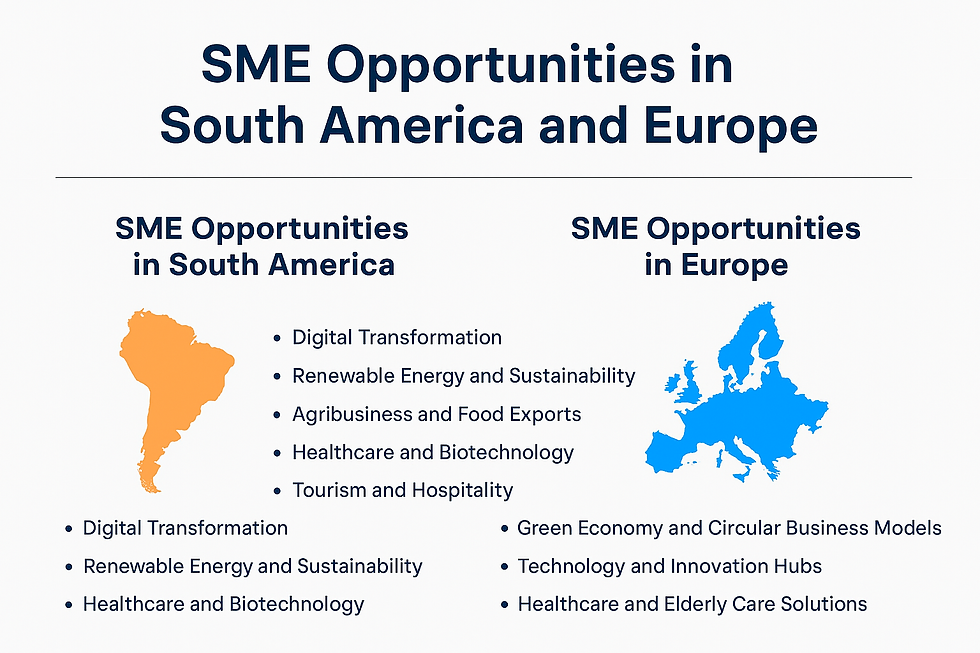
Small and medium enterprises (SMEs) are a backbone of the economies in both Mercosur and Europe. The Mercosur-Europe Agreement opens doors for these businesses to reach new markets.
By removing trade barriers, SMEs can sell their products in Europe more easily, increasing their sales and creating new jobs. For example, a Brazilian organic coffee producer could access European markets, potentially doubling its revenue and expanding its workforce within a few years.
Challenges Faced by SMEs
Despite the opportunities, SMEs may encounter specific challenges when navigating international trade. Issues like limited resources and unfamiliar regulatory landscapes can impede their growth.
To help these enterprises thrive, it is essential to provide support, including training programs on export strategies and assistance with compliance. Such initiatives can enhance their competitiveness on a global scale.
Final Thoughts
The Mercosur-Europe Agreement marks a significant advancement in trade relations between South America and Europe. While this agreement can potentially boost trade, economic growth, and collaboration, it also comes with challenges that need careful consideration.
As implementation progresses, prioritizing environmental health, social fairness, and SME support will be crucial. By addressing these vital aspects, the Mercosur-Europe Agreement can facilitate a more prosperous and interconnected future for both regions.

In summary, understanding the implications of the Mercosur-Europe Agreement is essential for all stakeholders. By collaborating effectively and addressing arising challenges, both regions can harness the full potential of this landmark agreement.


Comments